The Creative, Arts, and Entertainment Sector is a vast galaxy whose varied composition leads those who explore it to grasp only certain aspects, depending on their point of view, while its systems and subsystems—seemingly distant and governed by different rules—are in fact deeply interconnected, as are its problems, which require an overview in order to be resolved effectively and sustainably.
UNISCA WAS BORN TO BRING TOGETHER THE CREATIVE, ARTS, AND ENTERTAINMENT INDUSTRY
It is a challenging and ambitious task. It requires a willingness to explore the entire creative ecosystem in depth, combined with an awareness of the dignity and importance of each of its elements, with the aim of enhancing their independence and uniqueness as fundamental elements of the wealth that comes from expressive, entrepreneurial, and territorial diversity. Being part of UNISCA means participating in the construction of a common home where you can receive support for your own needs, in the necessary confrontation with the needs of others, to find together a synthesis that safeguards everyone’s interests and allows for concrete and unified actions, in order to obtain adequate attention and responses from institutions.
WELCOME, INCLUDE, COORDINATE
UNISCA aims to become a point of reference, in Italy and abroad, for all professional associations, associations, and businesses, uniting and coordinating the creativity, arts, and entertainment sector in order to represent it in its entirety. A magnifying glass that observes and analyzes the actual reality of the sector, even in its invisible areas, and documents its transformations, becoming an increasingly reliable and representative guide to its overall understanding and, as such, a powerful megaphone for shared proposals to politics and civil society. To this end, the associations that are part of UNISCA are called upon to share their analytical tools and contribute their know-how to the working groups, which will focus on both the most pressing needs and structural and systemic problems: from the lack of a “definition” of the sector to the proposal for general reform; from the delay in the national cultural and educational dimension, also in relation to the international context, to the reorganization and simplification of the regulatory jungle, up to the legal recognition of artistic and technical professions. In the certainty that culture is the foundation for the construction of any civil society, UNISCA believes it is necessary and urgent that the creativity, experience, and mastery of artists, businesses, and workers make their voices heard in a unified, constructive, and visionary manner in order to
DEFEND ART AND BEAUTY FOR THE WELL-BEING OF PRESENT AND FUTURE HUMANITY.
“Unisca è la sintesi del lavoro di anni. il progetto attorno al quale tutta la filiera delle arti performative si può e si deve ritrovare”
Serena Marchi
Agente di lirico-sinfonica
“Siamo in Unisca perchè la musica illumina la vita”
Linda Brunetta
Autrice radiotelevisiva
“Per collaborare con tutti i lavoratori dello spettacolo al riconoscimento dei diritti e della professionalità degli autori radiotelevisivi. Uniti si può.”
Angelo Valori
Compositore e direttore d’orchestra
“Solo il dialogo tra i diverse linguaggi delle performing arts può portare la molteplicità di voci necessaria a realizzare la complessiva riforma dello spettacolo nel nostro Paese.”
Carlo Testini
Coordinatore Cultura Arci
Unisca è il luogo giusto per un’analisi di un settore molto variegato, dinamico e importante. Ragionare insieme su come tutelare davvero i lavoratori e rafforzare gli operatori del settore, profit e non profit, è una sfida davvero appassionante. Uniti, ce la faremo!
Claudio Angeleri
Presidente Associazione Nazionale Scuole Jazz e Musiche Audiotattili
Straordinario lo sforzo realizzato da così tanti soggetti diversi per giungere alla creazione di un organismo di sintesi che consente un dialogo proficuo tra diverse professionalità della filiera dello spettacolo.
How to join UNISCA
To join UNISCA, download the Membership Kit containing all the documents you need to read and sign, fill out the Membership Form, attach the required documents, and pay the membership fees indicated.
GOVERNING BODIES
The individuals who act on behalf of UNISCA
Board of Directors
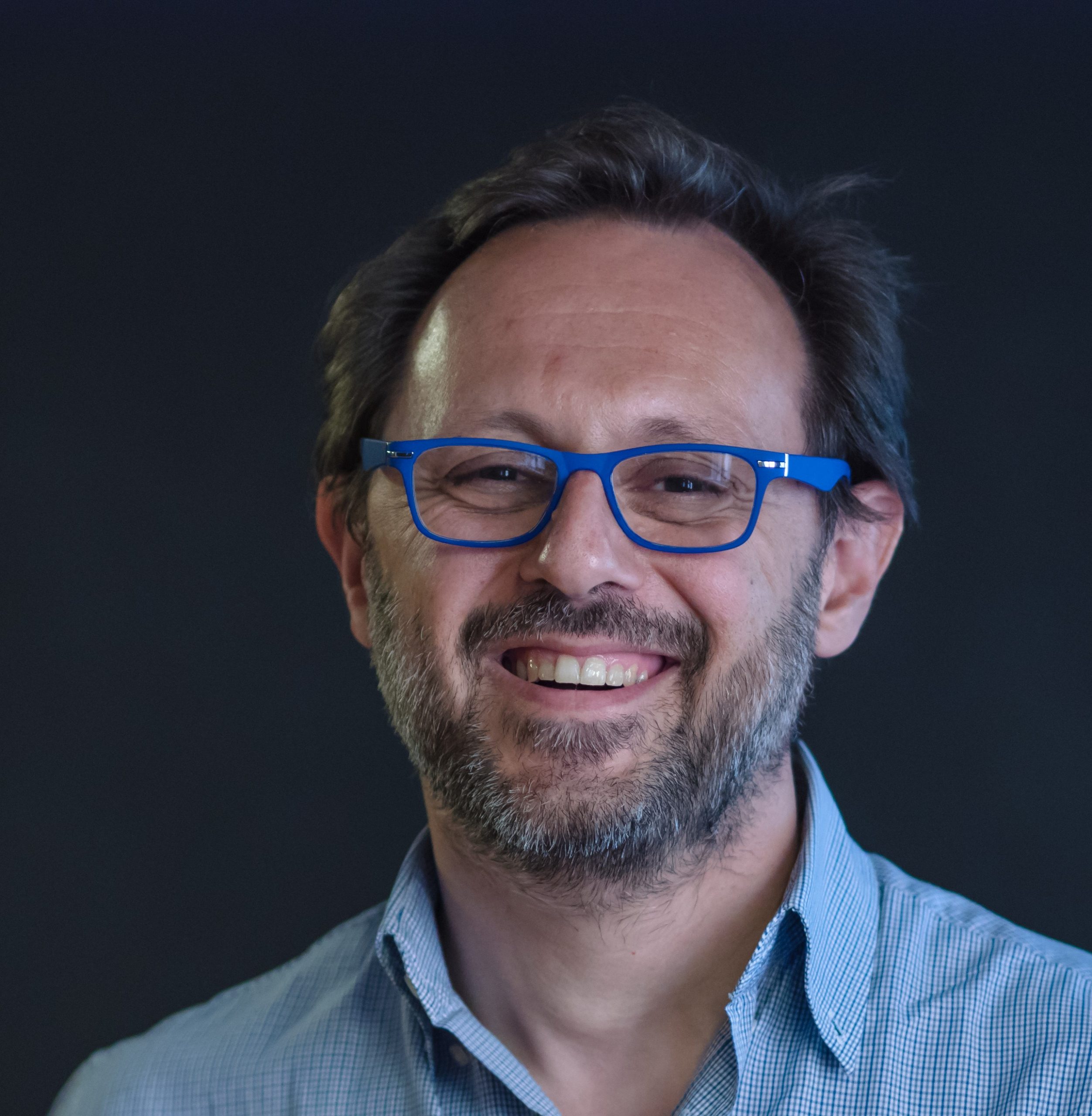
Imprenditore e manager, il nostro Presidente opera dal 1994 nel comparto della musica e del suono per i media e la comunicazione. Iscritto all’albo dei periti esperti del Tribunale Milano, presta consulenze in materia di diritto del lavoro e d’autore. Svolge attività di formatore da oltre 35 anni per vari istituti, tra cui l’Università IULM di Milano. Musicista e produttore, Massimo Pontoriero è attivo in numerose associazioni di categoria, per 14 anni segretario del sindacato dello spettacolo della CISL.
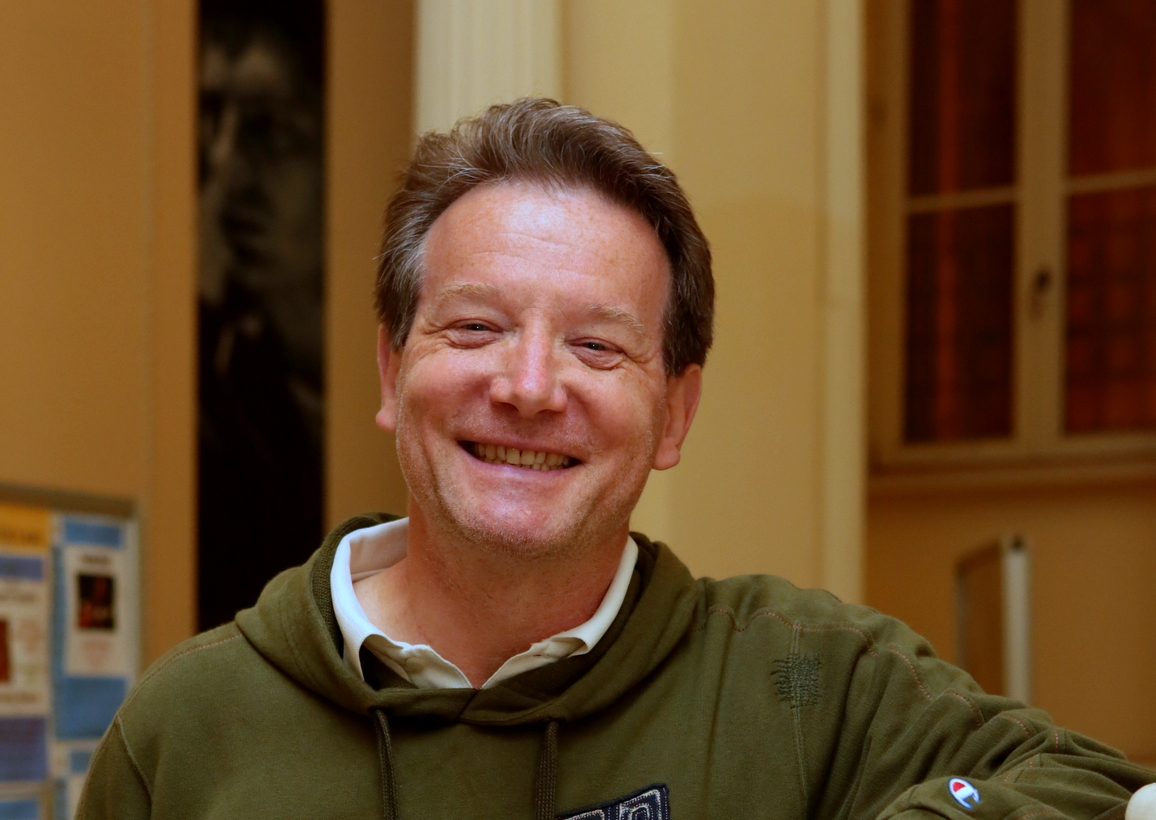
Claudio Trotta, con oltre 45 anni di carriera, è riconosciuto tra i più importanti produttori e promoter di spettacoli dal vivo e festival musicali a livello internazionale. Migliaia i concerti di artisti italiani e internazionali da lui organizzati, tra cui: AC/DC, Queen, Cure, Bruce Springsteen e Stevie Wonder. Il suo Campovolo di Luciano Ligabue del 2005, è stato per lungo tempo lo show dal vivo di un singolo artista più venduto in Europa, con più di 170.000 presenze.
Fondatore di Slow Music ETS, a dicembre 2020 ha ricevuto dal Comune di Milano la medaglia dell’Ambrogino d’Oro.
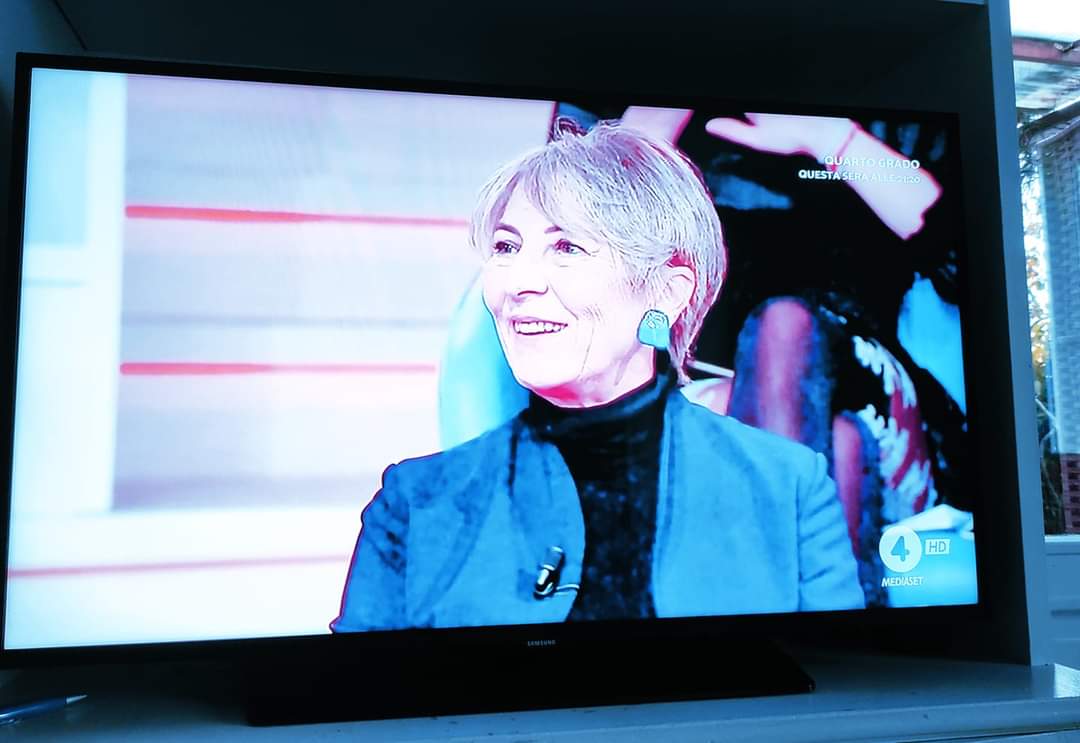
Drammaturga, regista, saggista, laureata in Storia del Teatro, dopo un’iniziale esperienza di attrice si dedica alla scrittura. È stata allieva di Eduardo De Filippo. Ha scritto numerose commedie rappresentate in Italia e all’estero, pubblicate in volume e su riviste specializzate, prodotte da vari Teatri Stabili e vincitrici di importanti premi nazionali. Docente di drammaturgia (Università «La Sapienza» e Accademia Silvio D’Amico), è Presidente del Centro Nazionale di Drammaturgia Italiana Contemporanea – CENDIC (www.cendic.it) e vice Presidente dell’Unione Nazionale Autori – UNA.
Musicista, da quasi sessanta anni suono e vivo nella musica, con la musica e per la musica perché penso sia il modo migliore per conoscere la realtà e per dare il mio contributo come esperto di settore nella crescita e lo sviluppo del fare musica in ogni sua forma e dimensione a partire dalla formazione scolastica. Presidente di Dismamusica per sette anni, di Cafim Europe per quattro e nel suo ambito tutt’ora responsabile dei rapporti bilaterali con la Cina e con CMIA. Membro permanete dell ‘International Coalition della NAMM di Los Angeles. Dal 2020 Presidente della compagnia teatrale “I Fuori di Rotella”, dal 2021 Presidente del Sistema delle orchestre e cori giovanili e infantili d’Italia e dell‘Orchestra Nazionale Giovanile G. Sinopoli. Referente per il settore in ADI, dal 2017 Presidente di giuria di Rock Targato Italia.
Ho iniziato a occuparmi di musica nei primi anni 90 e ho organizzato per dieci anni un festival in provincia di Milano per poi decidere di passare dall’altra parte: produrre musica e affiancare gli Artisti nel loro percorso. Vivere di musica non è affatto facile e non lo è particolarmente in questo Paese in cui l’Arte, forse perché così quotidianamente a portata di mano, è a fatica considerata una professione e bisogna lottare, a volte anche contro i mulini a vento, senza mai perdersi d’animo.
This is the document registered at the time of UNISCA’s establishment by its founding members, testimony to the commitment of the original core group (open the document).
The Code of Ethics is a voluntary agreement between members to regulate ethical relations between them and between the Association and its external partners (open document).
This document regulates all aspects and stages of the electoral process within the Association (open document).
Gestisci Consenso
Per fornire le migliori esperienze, utilizziamo tecnologie come i cookie per memorizzare e/o accedere alle informazioni del dispositivo. Il consenso a queste tecnologie ci permetterà di elaborare dati come il comportamento di navigazione o ID unici su questo sito. Non acconsentire o ritirare il consenso può influire negativamente su alcune caratteristiche e funzioni.
Funzionale
Always active
L'archiviazione tecnica o l'accesso sono strettamente necessari al fine legittimo di consentire l'uso di un servizio specifico esplicitamente richiesto dall'abbonato o dall'utente, o al solo scopo di effettuare la trasmissione di una comunicazione su una rete di comunicazione elettronica.
Preferenze
L'archiviazione tecnica o l'accesso sono necessari per lo scopo legittimo di memorizzare le preferenze che non sono richieste dall'abbonato o dall'utente.
Statistiche
L'archiviazione tecnica o l'accesso che viene utilizzato esclusivamente per scopi statistici.L'archiviazione tecnica o l'accesso che viene utilizzato esclusivamente per scopi statistici anonimi. Senza un mandato di comparizione, una conformità volontaria da parte del vostro Fornitore di Servizi Internet, o ulteriori registrazioni da parte di terzi, le informazioni memorizzate o recuperate per questo scopo da sole non possono di solito essere utilizzate per l'identificazione.
Marketing
L'archiviazione tecnica o l'accesso sono necessari per creare profili di utenti per inviare pubblicità, o per tracciare l'utente su un sito web o su diversi siti web per scopi di marketing simili.